PACKAGING GUIDE
Types of Flexible Packaging
Match your package to an illustration by its shape, seams or closure. Open the matching guide to see what to measure before you order.
Jump to a package family
Bags for bakery, produce, retail and food service
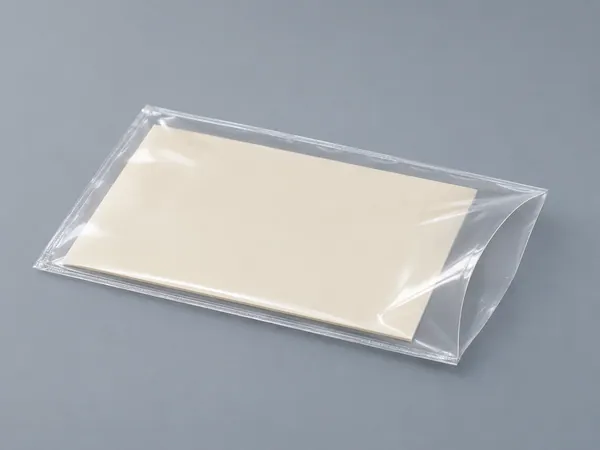 Flat bagsTwo flat faces meet at the edges.
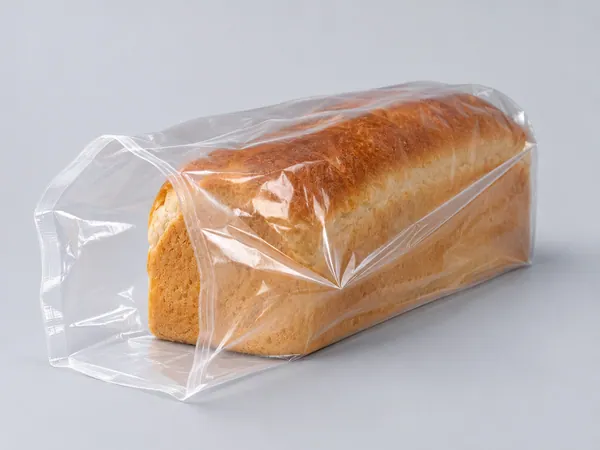 Side-gusset bagsLook for a fold tucked into each side.
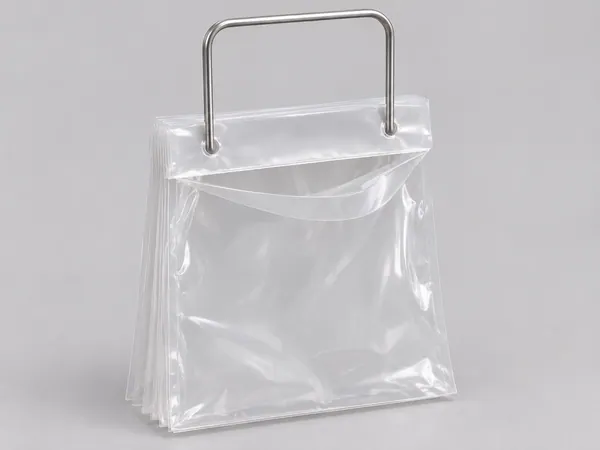 Wicketed bagsA wire wicket passes through holes above the bag mouth.
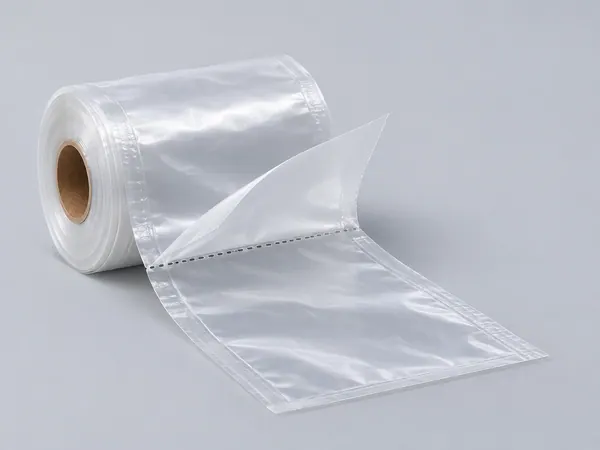 Pre-opened bags on a rollEach bag on the roll already has an open mouth.
 Drawstring bagsCords gather the mouth closed.
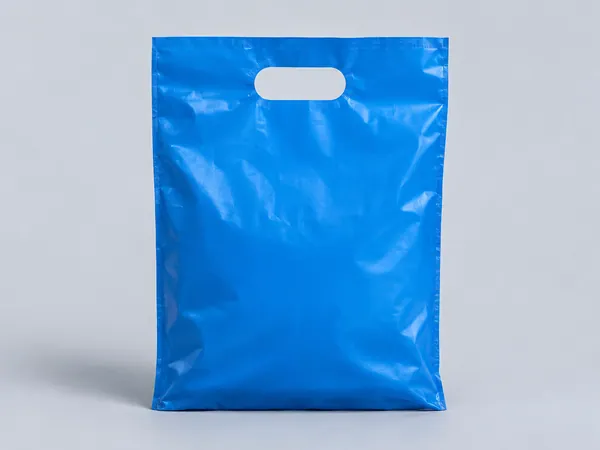 Retail carry bags and handle bagsThe handle opening carries the weight.
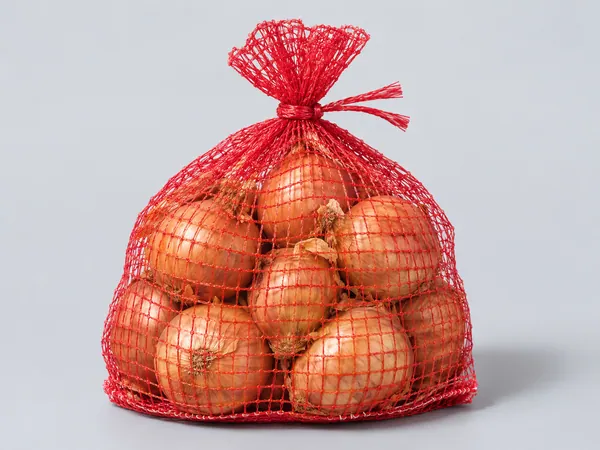 Mesh and net bagsOpen mesh lets you see and feel the product.
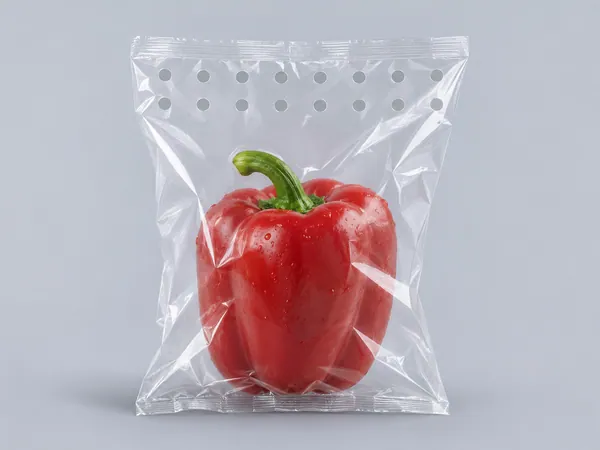 Perforated produce and bakery bagsSmall punched holes let air through the film.
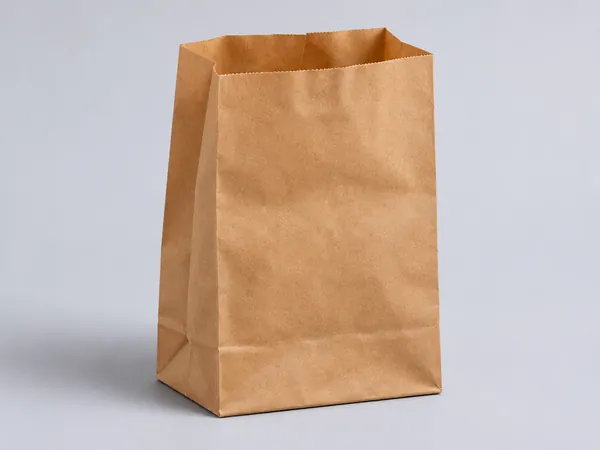 Self-opening square-bottom paper bagsThe paper base opens into a rectangle.
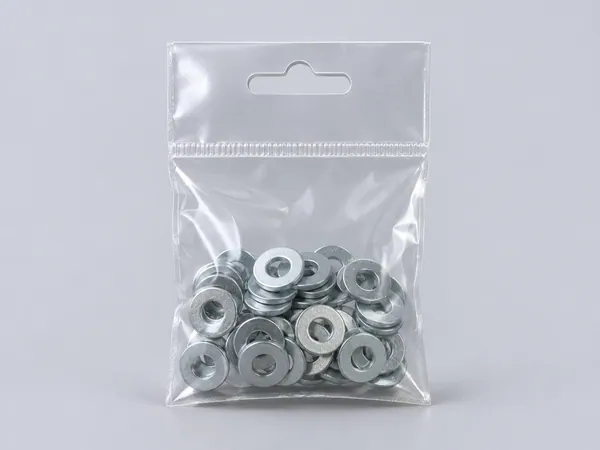 Header bags and hanging retail bagsA punched header sits above the product pocket.
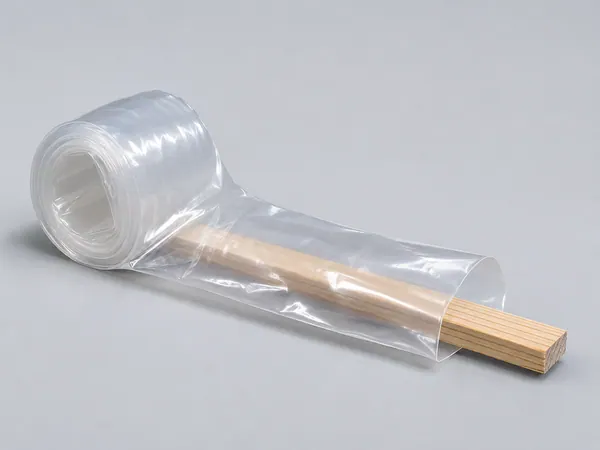 Layflat tubing and cut-to-length bagsThe continuous sleeve opens at both cut ends.
 Door hanger and newspaper bagsA large hole above the pocket slips over a knob.
 Ice bagsA strong clear bag holds loose ice cubes.
 Saddle pack and flip-top sandwich bagsBags drape over both sides of the dispenser.
 Piping and decorating bagsThe wide bag tapers to a dispensing tip.
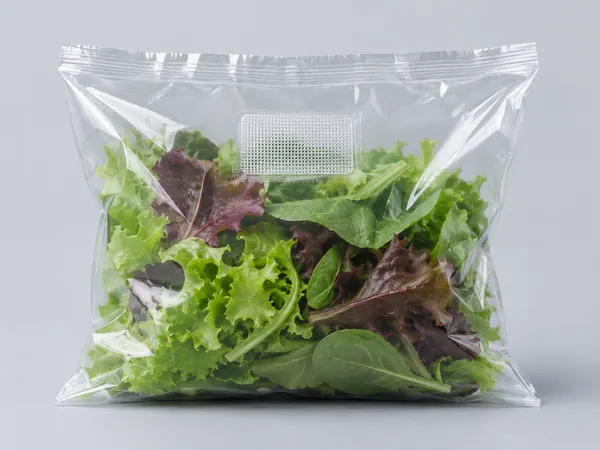 Breathable and microperforated packsA patch or tiny vents allow gas exchange.
Pouches, display bags and single portions
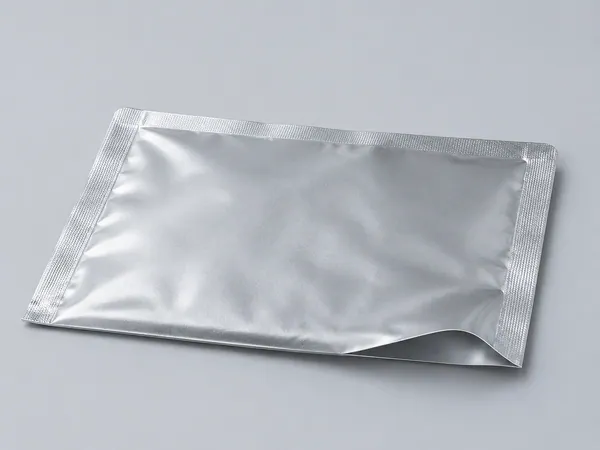 Lay-flat pouches and three-side-seal pouchesA flat pocket has little depth between its faces.
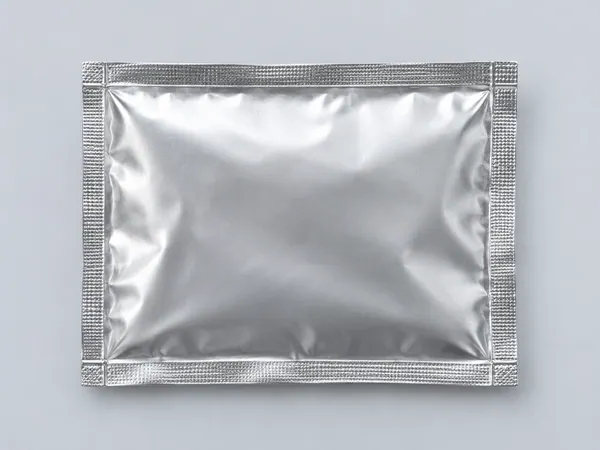 Four-side-seal pouchesCheck for a seal border on all four sides.
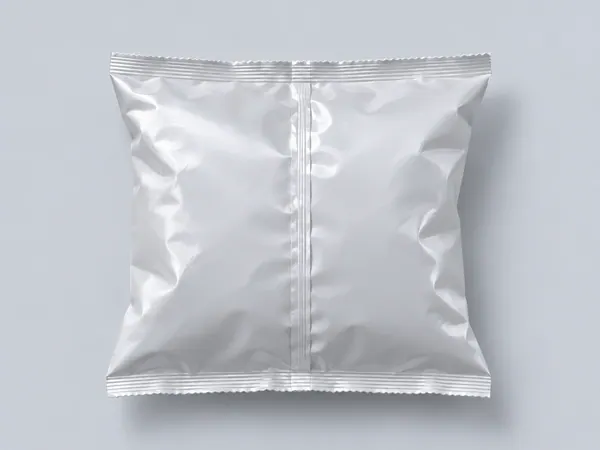 Pillow bagsA back seam runs between two end seals.
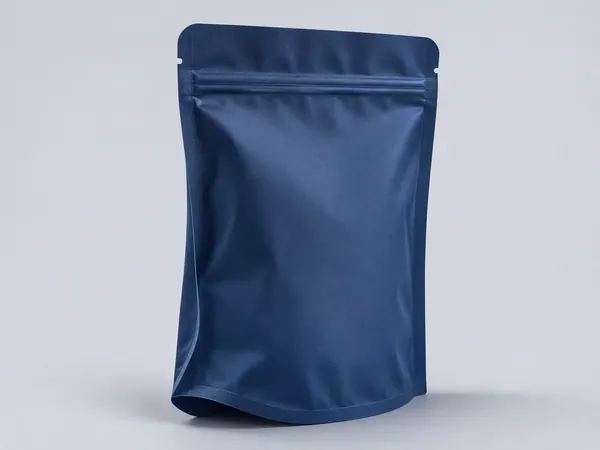 Stand-up pouches and DoypacksThe folded bottom opens into a standing base.
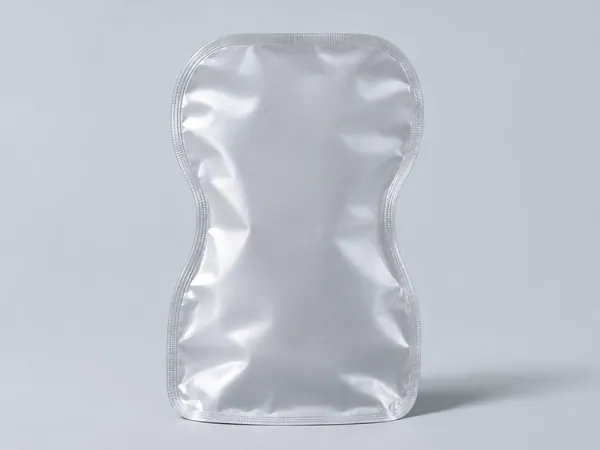 Shaped and die-cut pouchesThe edge seal follows the shaped outline.
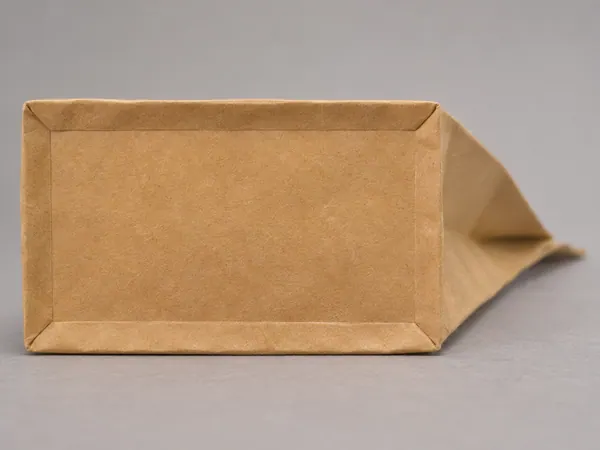 Flat-bottom and block-bottom pouchesA separate rectangular base gives the bag square corners.
 Quad-seal bagsVertical seams run along the bag’s four corners.
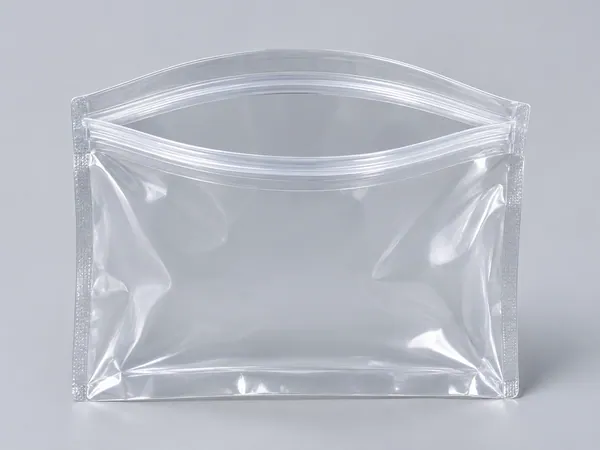 Zipper bags and reclosable pouchesFeel for the two tracks just inside the mouth.
 One-way valve coffee bagsA small round valve sits in the bag wall.
 Sachets and portion packetsA small tear-open packet holds one portion.
 Stick packsA narrow tube pours through its torn end.
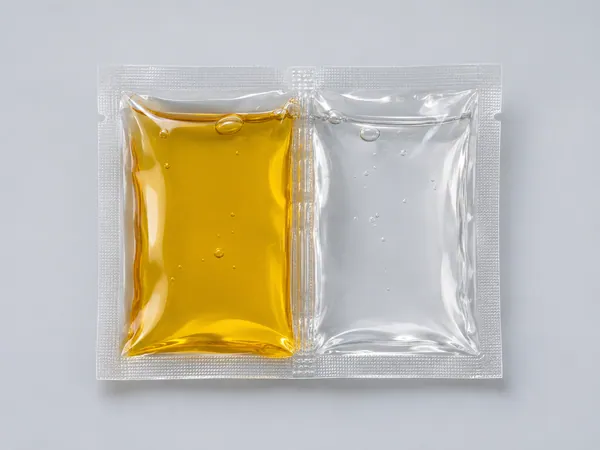 Dual-chamber and burst-seal pouchesAn inner seal divides the contents into chambers.
 Formed film pods and soft portion cupsA formed pocket closes under a second sheet.
 Peel-and-reseal packs and dispensing packsA flap peels back over the dispensing opening.
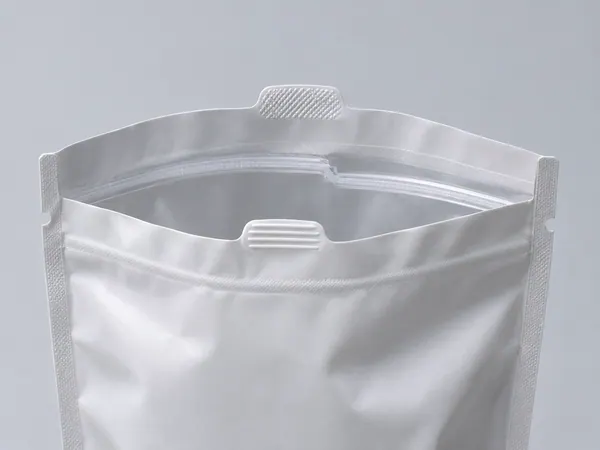 Child-resistant and senior-friendly pouchesLook for a release tab and confirm the closure rating.
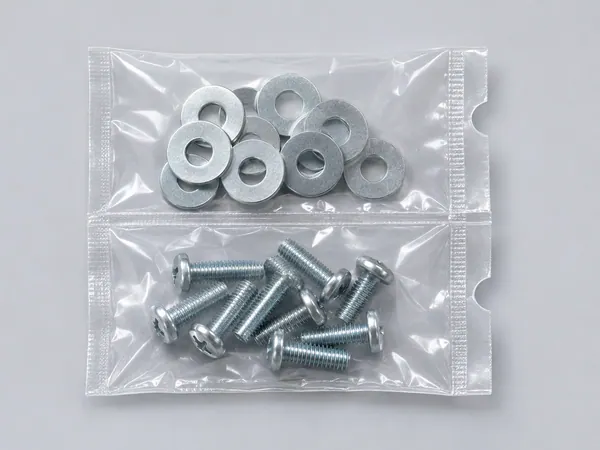 Compartment bags and attached document pouchesSealed pockets keep parts or paperwork apart.
Roll stock, wraps, sheets, sleeves and labels
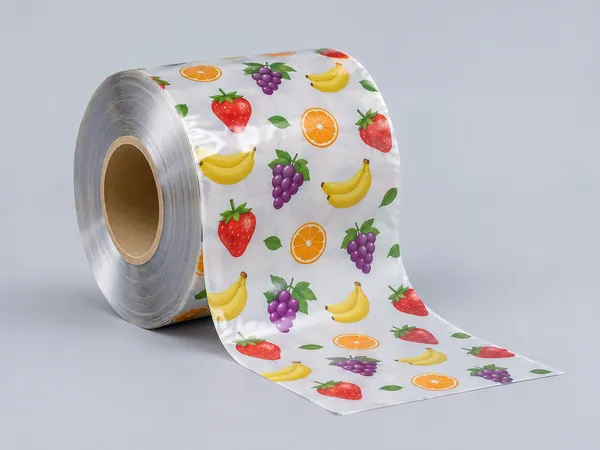 Roll stock for packaging machinesRepeating pack panels unwind from a reel.
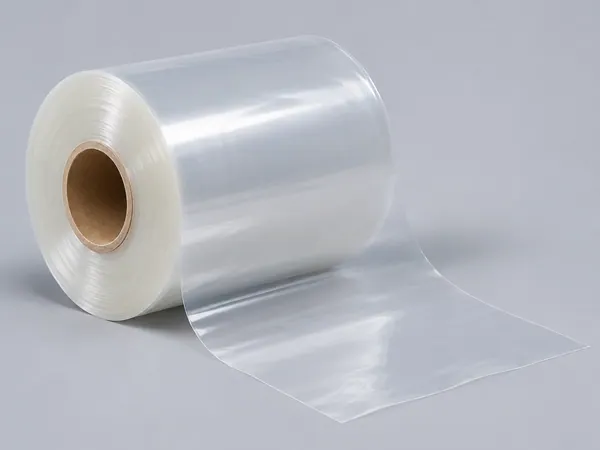 Converting film and film websA continuous sheet feeds the next converting step.
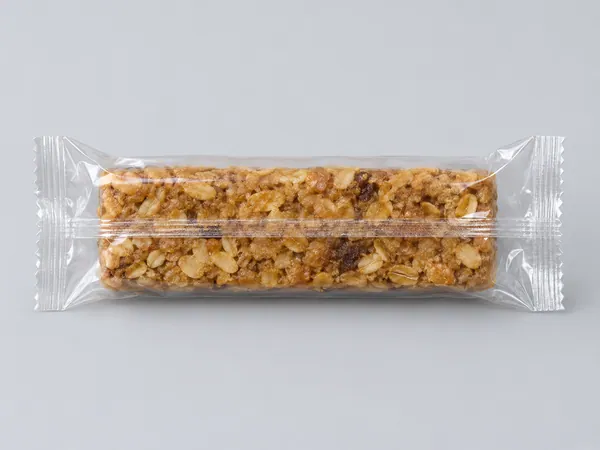 Flow wrap and fin-seal wrappersA long seam and two crimps enclose one item.
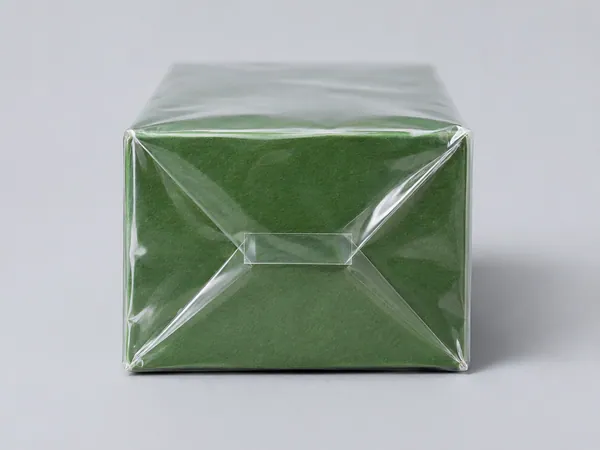 Folded overwrap and bundle wrapTucked flaps fold over the carton ends.
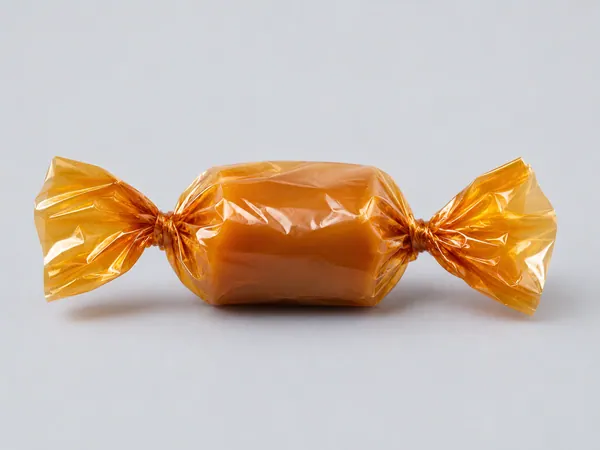 Twist wrap for candy and small piecesThe wrapper twists shut around the piece.
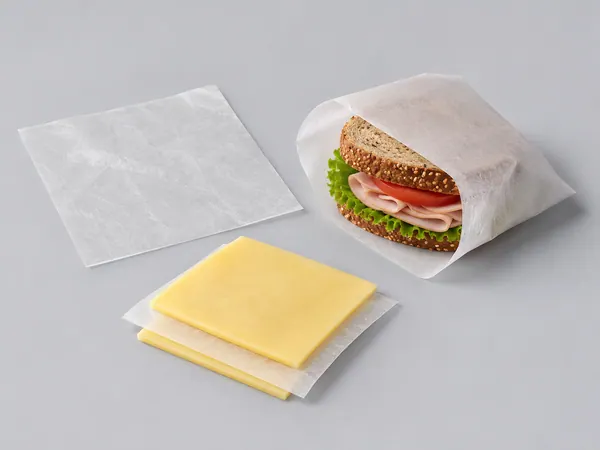 Deli wraps, foil wraps and interleaving sheetsIndividual sheets fold around food or separate layers.
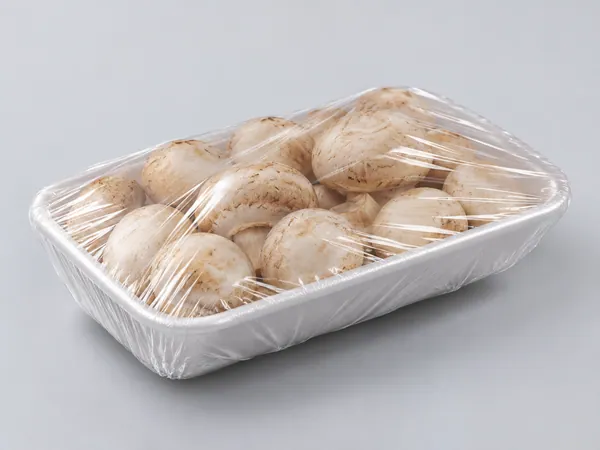 Cling film and tray overwrapThe film wraps under the tray.
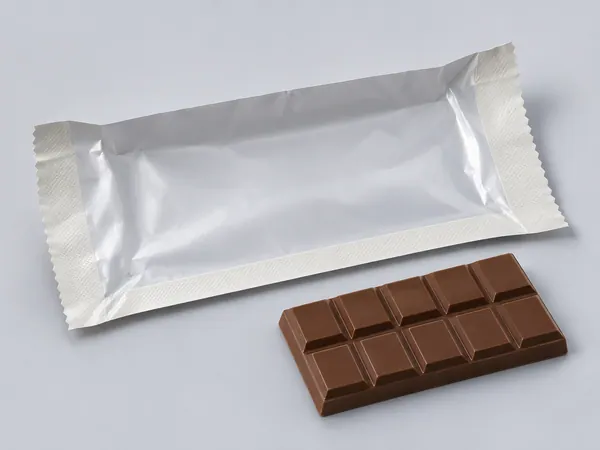 Cold-seal cohesive wraps and pouchesMatching coated strips meet under pressure.
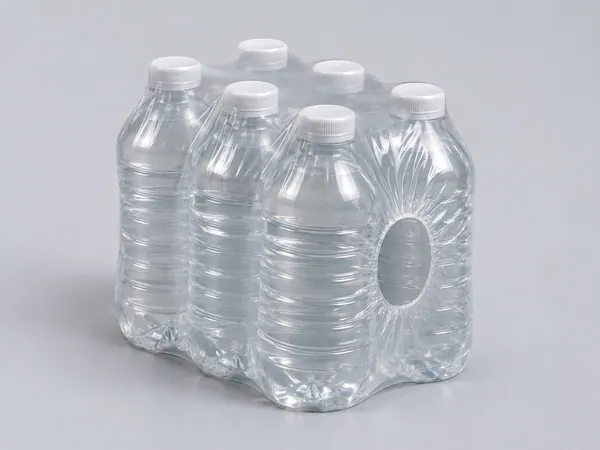 Shrink wrap and shrink bundling filmHeat-tightened film hugs the multipack.
 Shrink sleeves and tamper bandsA sleeve follows the neck or bridges the cap.
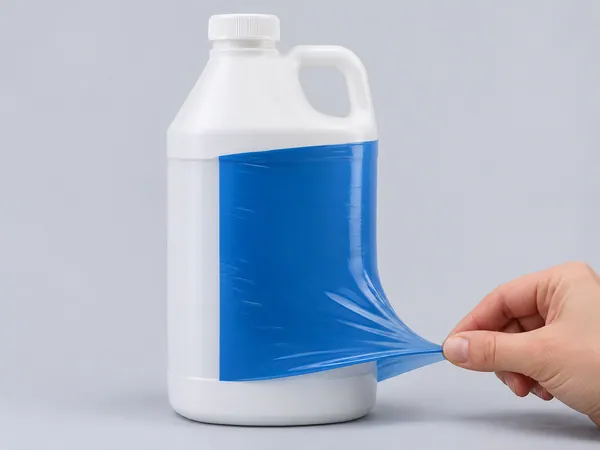 Stretch sleeve labelsA tubular label grips the body by tension.
 Pressure-sensitive and wraparound film labelsA backing sheet peels away from the label.
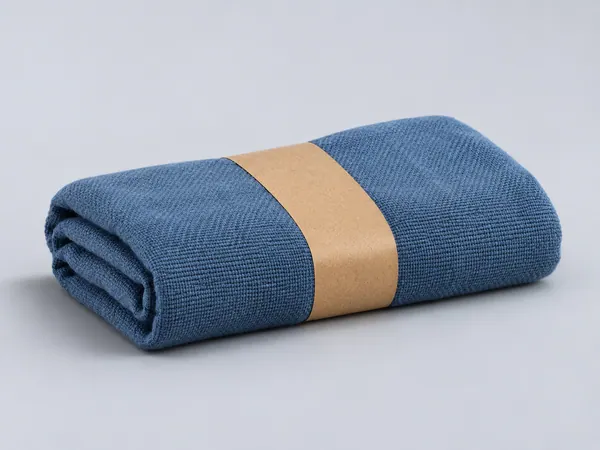 Paper and film belly bandsA narrow band leaves both ends exposed.
Lids, formed packs and protective seals
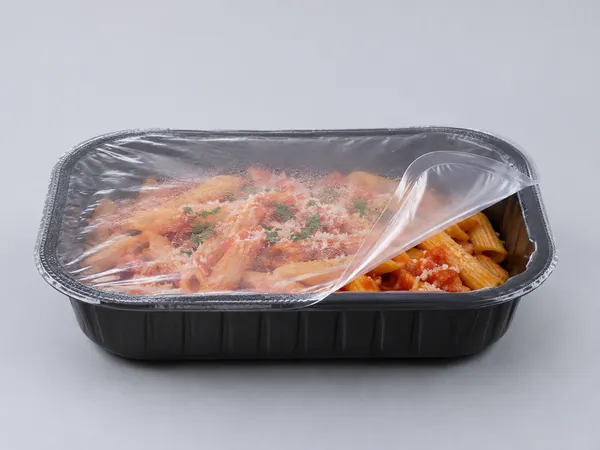 Lidding film and die-cut lidsA flat lid seals directly to the rim.
 Bottle and jar membrane sealsA thin membrane seals the mouth beneath the cap.
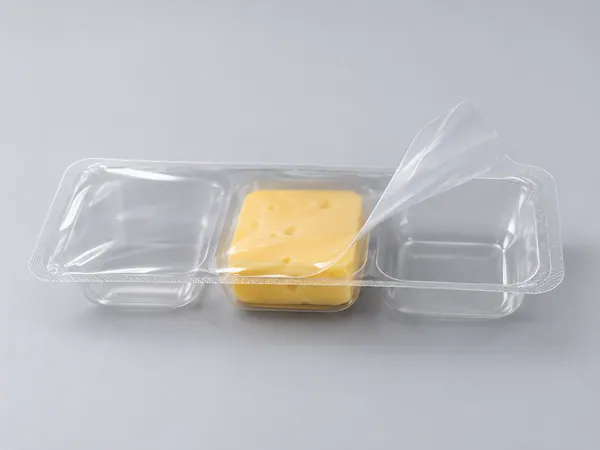 Thermoforming film and form-fill-seal packsThe lower sheet is drawn down into pockets.
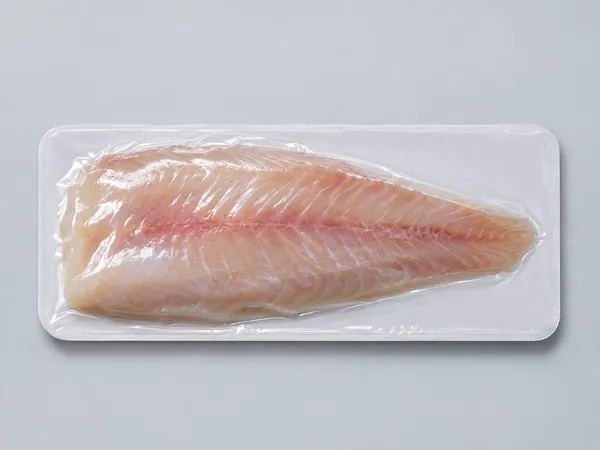 Vacuum skin packagingFilm hugs the food and bonds to the backing.
 Blister webs and push-through lidsFormed cavities sit under a separate lid.
 Strip packsEach unit sits between two webs with seals around it.
Vacuum, heat-processed and specialty food packs
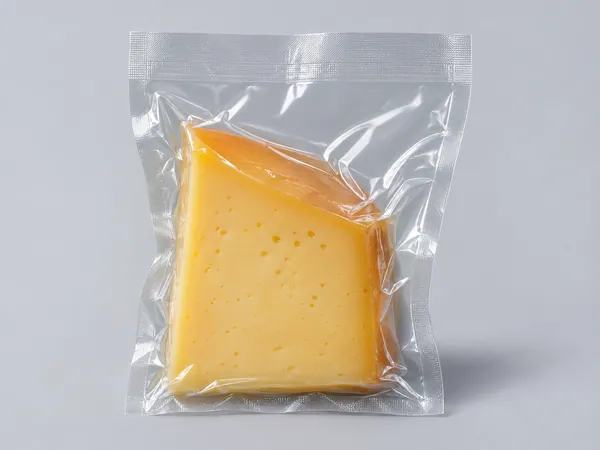 Vacuum bags and chamber pouchesAir removal draws the pouch against the food.
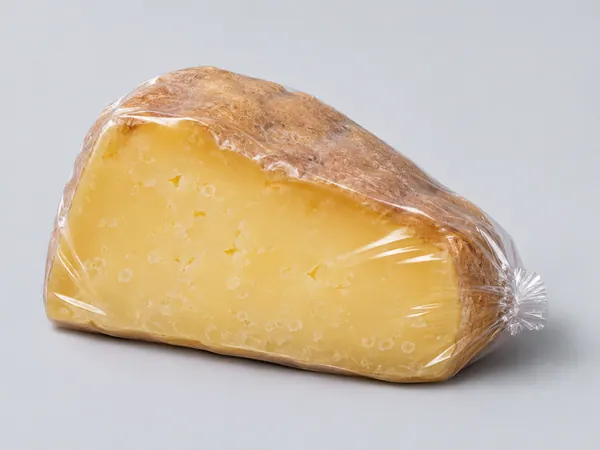 Barrier shrink bagsA tight skin follows the shape after shrinking.
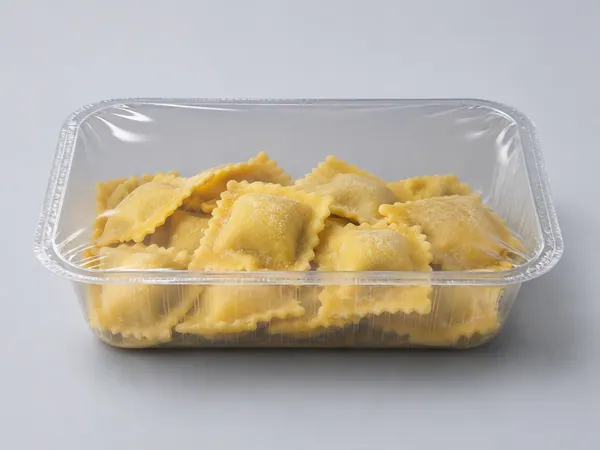 Modified atmosphere packs and gas-flush bagsHeadspace is a clue. Confirm the gas specification.
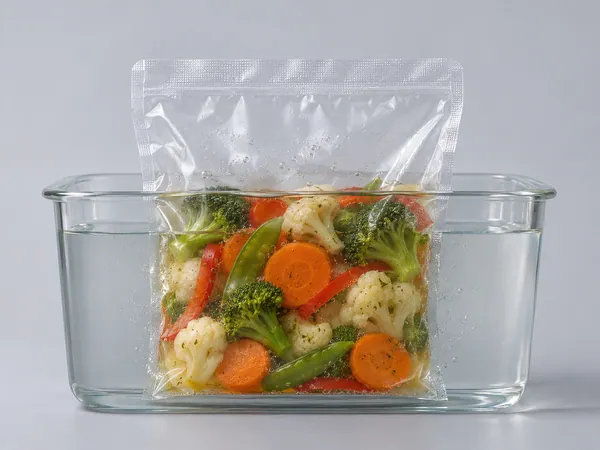 Cook-in, ovenable and sous vide bagsCheck that the pouch is rated for the cooking cycle.
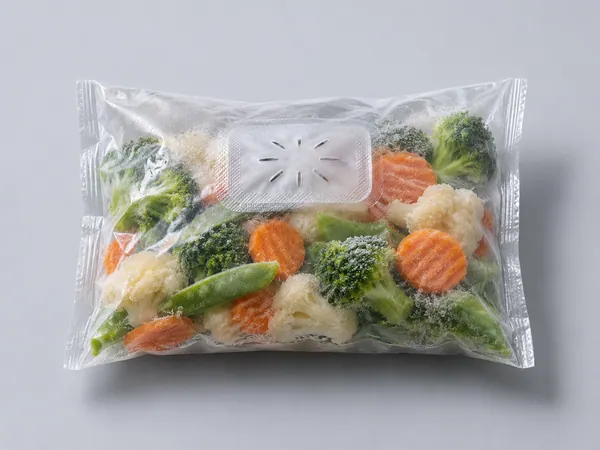 Steam-vent and microwave cooking pouchesFind the designed vent and check the heating directions.
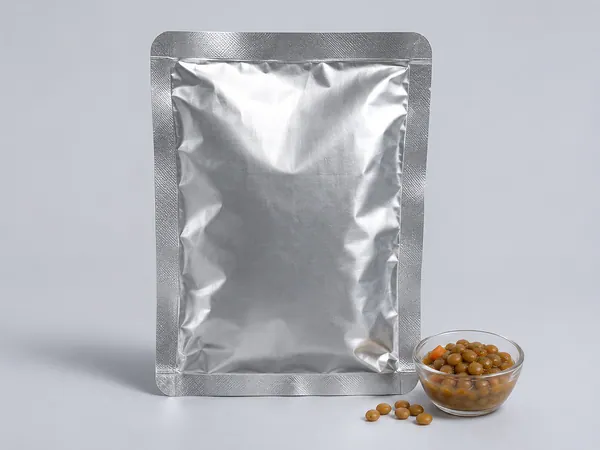 Retort pouchesA sealed meal pouch can be retort processed. Check the specification.
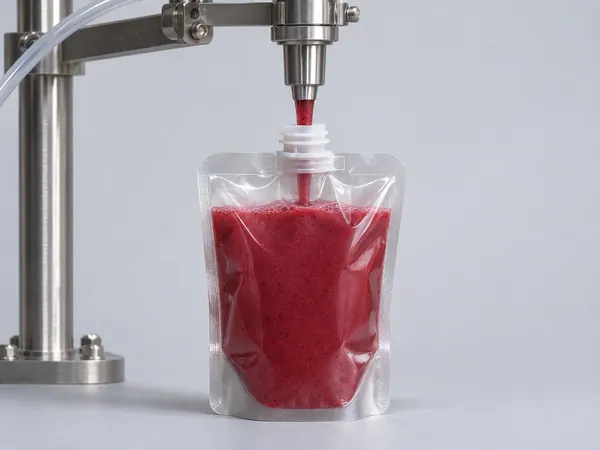 Hot-fill pouchesConfirm hot-fill use from the pouch and filling specifications.
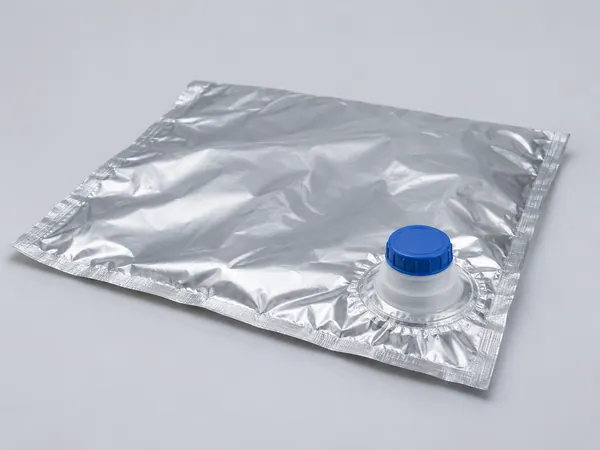 Aseptic bags and pouchesA capped filling connection is a clue. Check the approved bag.
 Flexible food casingsThe casing shapes the food into a cylinder.
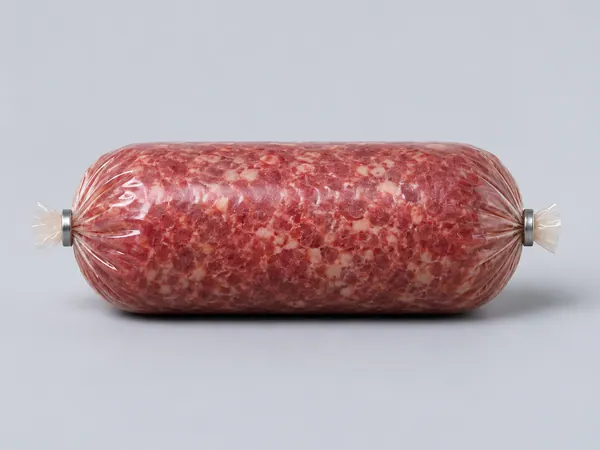 Chub packs and clipped film tubesClips close the gathered ends of a filled tube.
 Filter bags, tea bags and infusion sachetsLiquid passes through the porous bag wall.
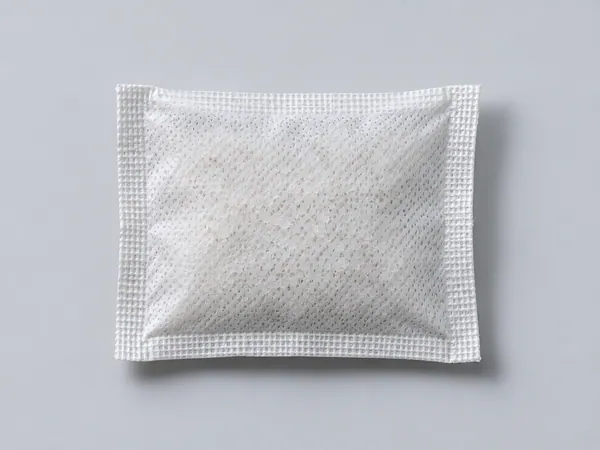 Desiccant and oxygen absorber sachetsA small porous insert sits inside the outer pack.
Liquid packs, tubes, refills and dispensers
 Spouted and fitmented pouchesA rigid spout joins the flexible film.
 Refill pouches with a tear-off pour cornerA tear-off film corner forms the pouring edge.
 Liquid pillow bags and milk pouchesA sealed liquid bag can pour through a cut corner.
 Collapsible squeeze tubesA flexible body joins a rigid shoulder and cap.
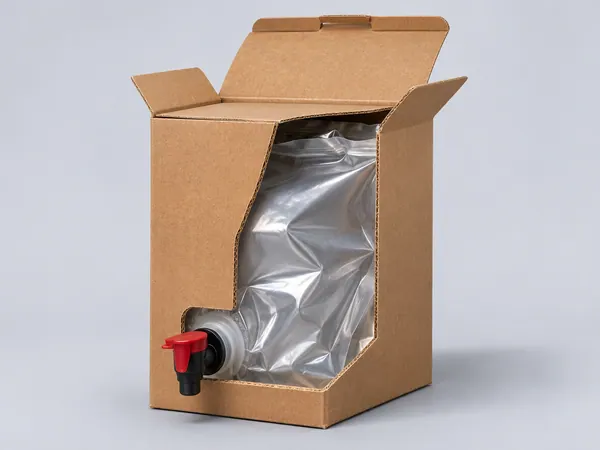 Bag-in-box packagingA carton supports a bag with a dispensing tap.
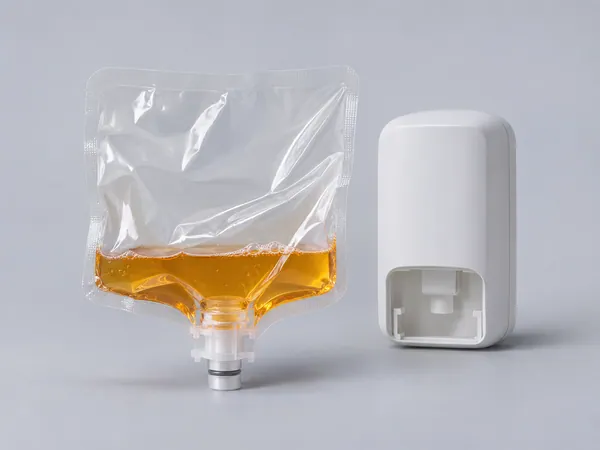 Dispenser liners and pump-out pouchesA connector on the bag fits the dispenser pump.
 Bag-on-valve dispensing packsA cutaway shows the bag attached beneath the can valve.
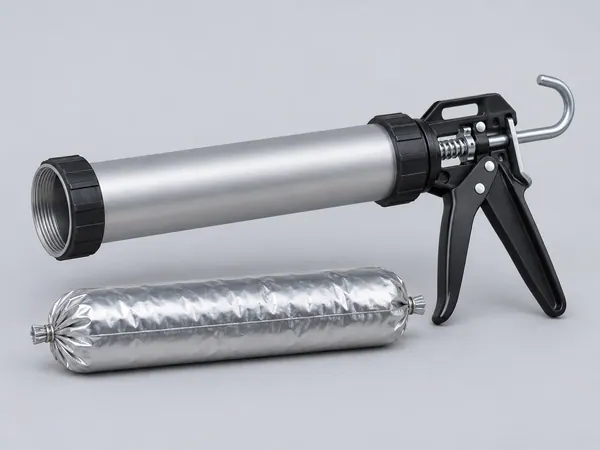 Flexible cartridges and foil sausage packsA clipped foil tube fits inside a dispensing barrel.
 Water-soluble pouches and portion podsThe dose sits inside soluble film. Confirm the film type.
Liners, industrial sacks and bulk transport
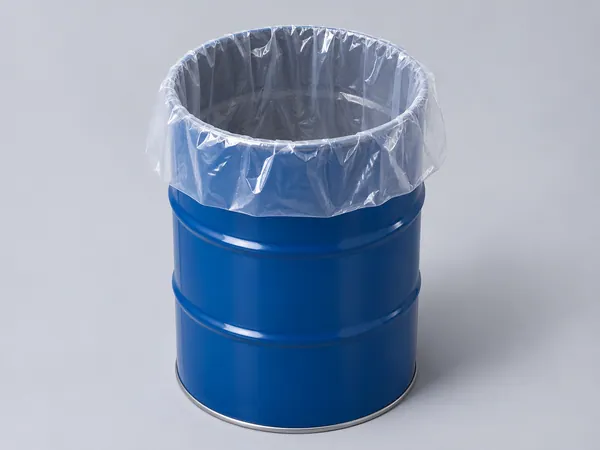 Box, bin and drum linersAn inner bag folds over the drum or box rim.
 Can liners and refuse sacksThe liner turns over the bin rim for removal.
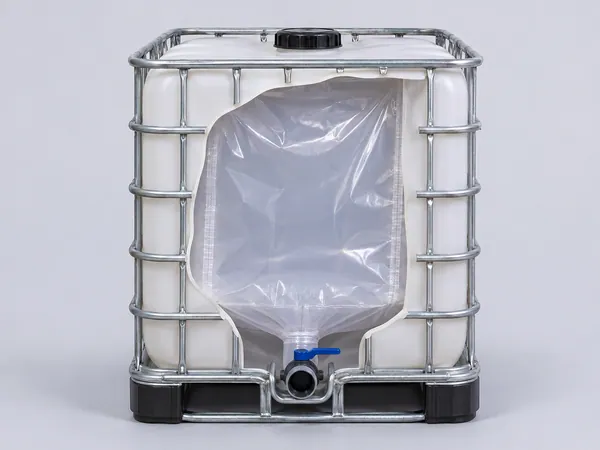 Liquid tote and IBC linersThe fitted bag connects to an outlet inside a rigid tote.
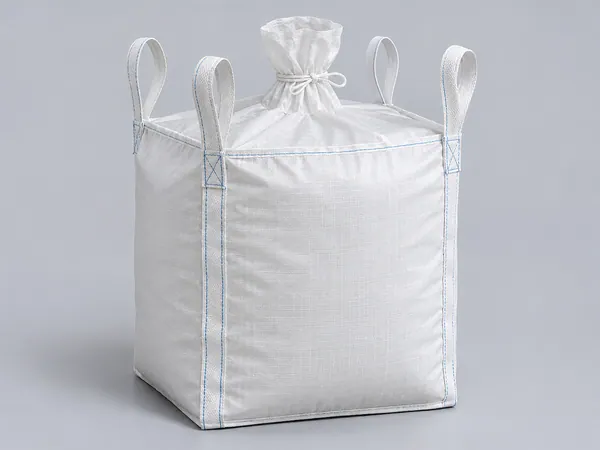 Bulk bags and flexible intermediate bulk containersLifting loops attach to the load-bearing fabric bag.
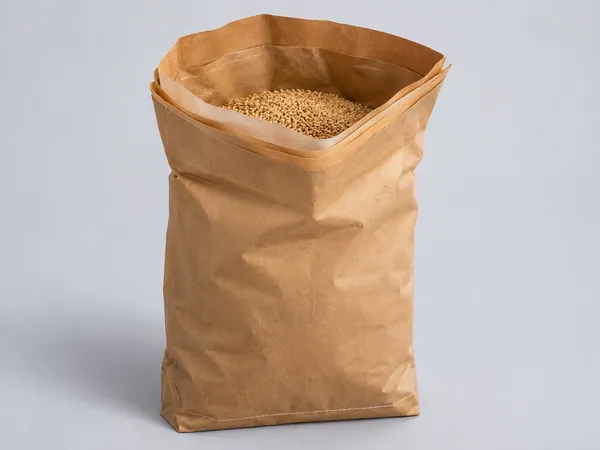 Open-mouth and multiwall industrial sacksThe full top opens for filling and closing.
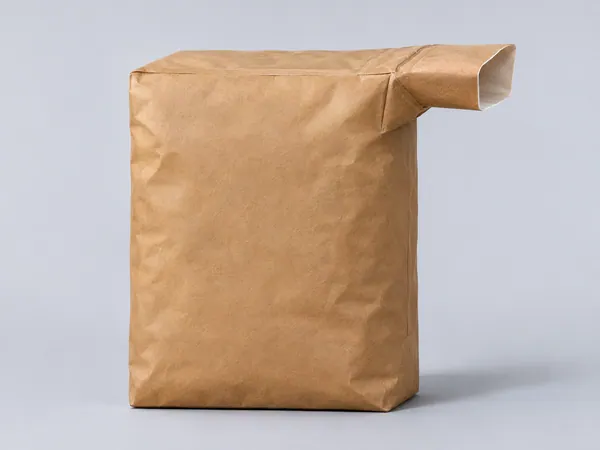 Valve sacksA corner sleeve fits over the filling spout.
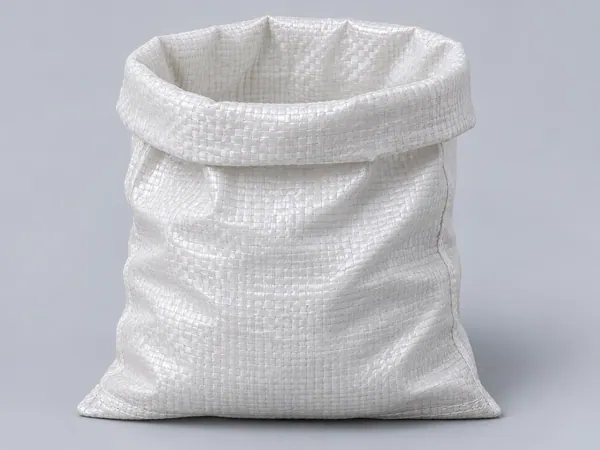 Woven polypropylene and laminated woven sacksLook for interlaced tapes across the sack wall.
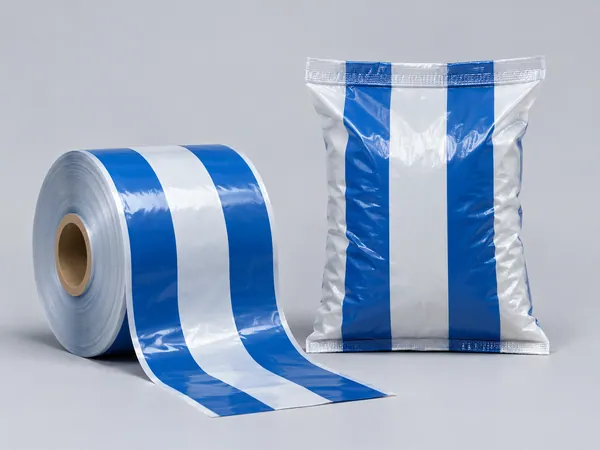 Industrial form-fill-seal sacks on reelsTubular or flat film feeds an industrial sack line.
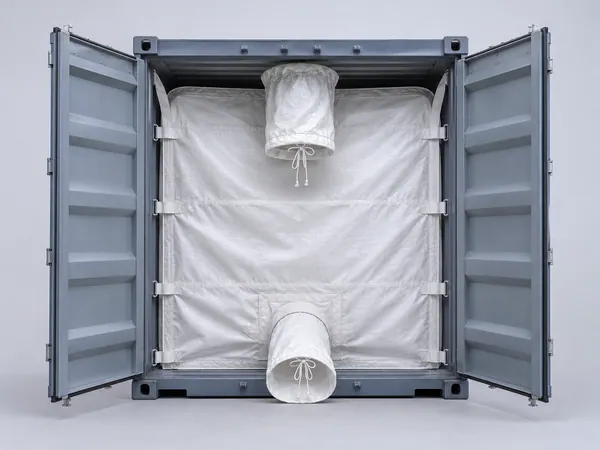 Dry bulk freight container linersFabric sleeves lead into a lined freight container.
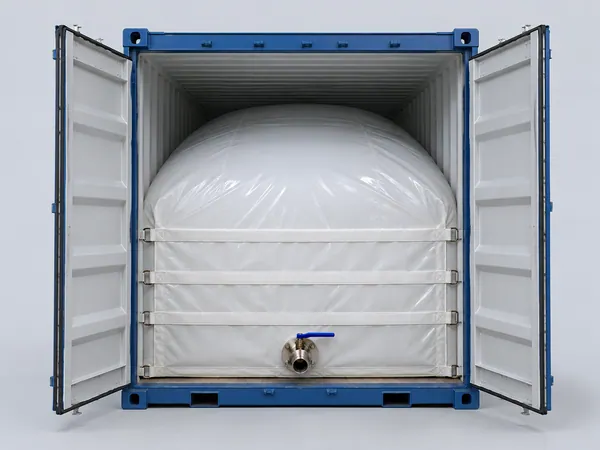 Flexitanks for bulk liquidsA liquid bladder and valve fit inside the container.
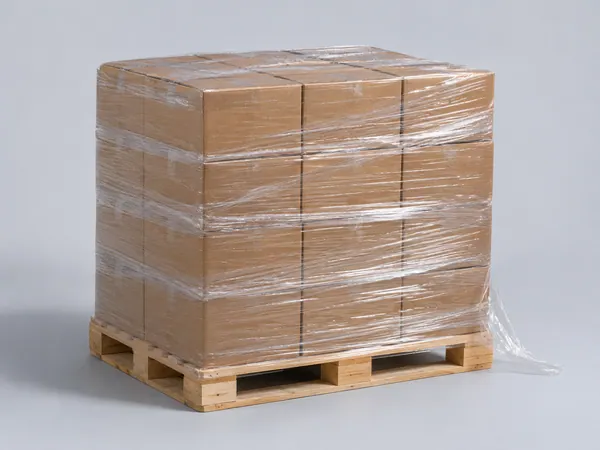 Stretch film for pallet loadsOverlapping turns of film bind the cases together.
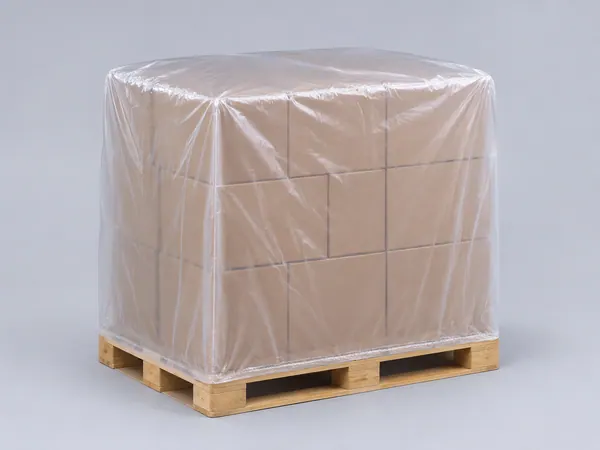 Stretch hoods and shrink hoodsOne hood covers the top and sides of the load.
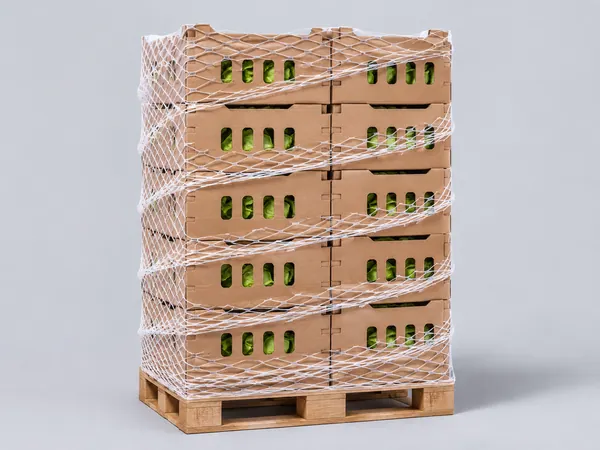 Pallet stretch nettingOpen strands hold the load while leaving vents clear.
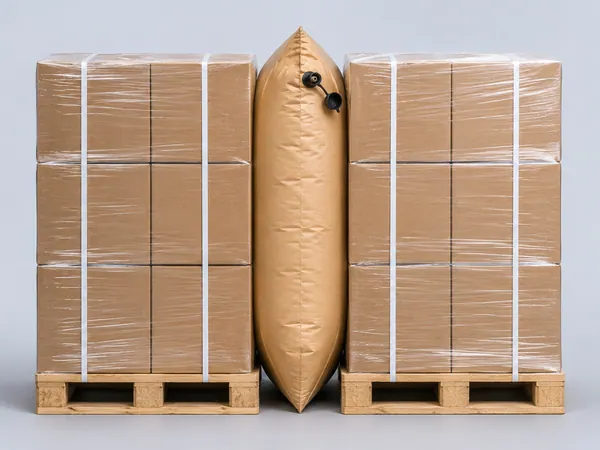 Inflatable dunnage bags for freightA large inflatable bag braces the space between loads.
Shipping, cushioning and specialist protection
 Shipping mailers and security envelopesAn adhesive flap folds over the shipping envelope.
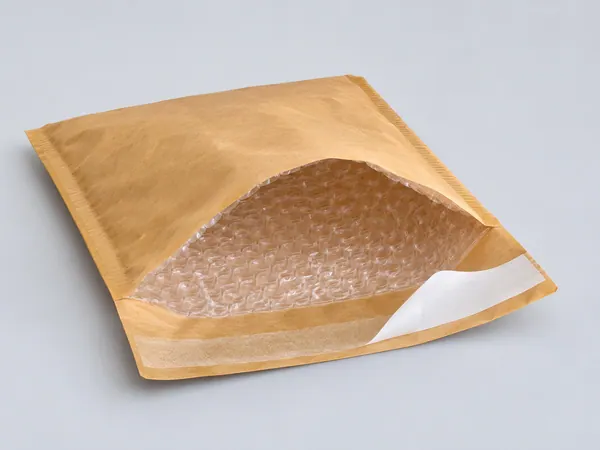 Padded mailers and cushioned envelopesCushioning lines the inside of the envelope.
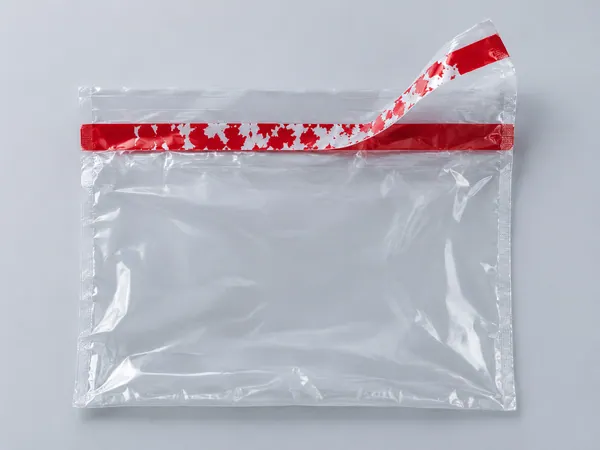 Tamper-evident delivery and security bagsAn opened seal leaves visible evidence of disturbance.
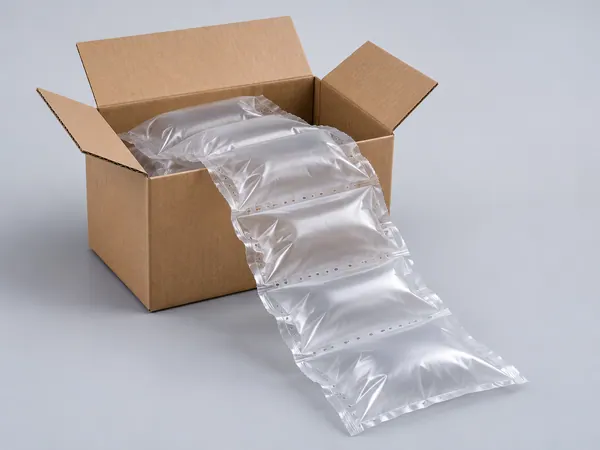 Air pillows, bubble wrap and inflatable chambersSealed air cells cushion the parcel or fill a gap.
 Protective net sleeves and foam sleevesA mesh or foam sleeve separates adjacent items.
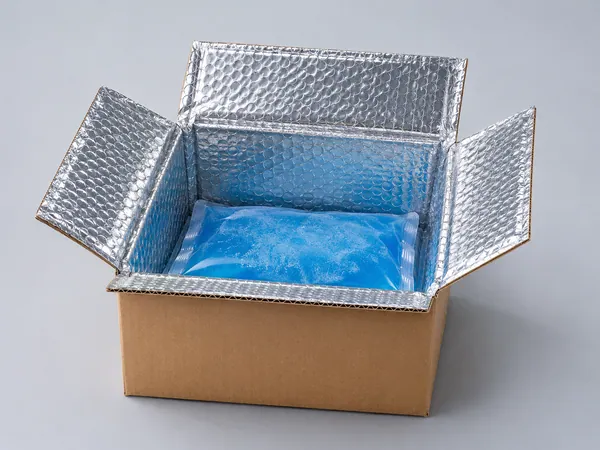 Insulated mailers and thermal box linersAn insulating layer lines the shipping carton.
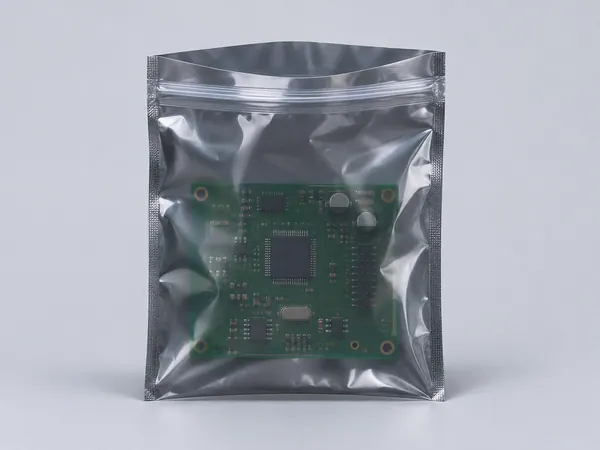 Antistatic and static-shielding bagsA metallic face is a clue. Verify the shielding rating.
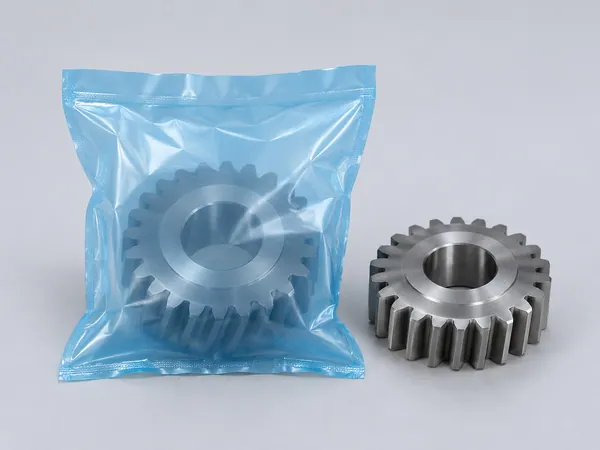 VCI bags and corrosion-protection wrapsLooks like a parts bag. Confirm corrosion protection on the specification.
 Peel pouches and sterile barrier packagingTwo faces peel apart to expose the item.
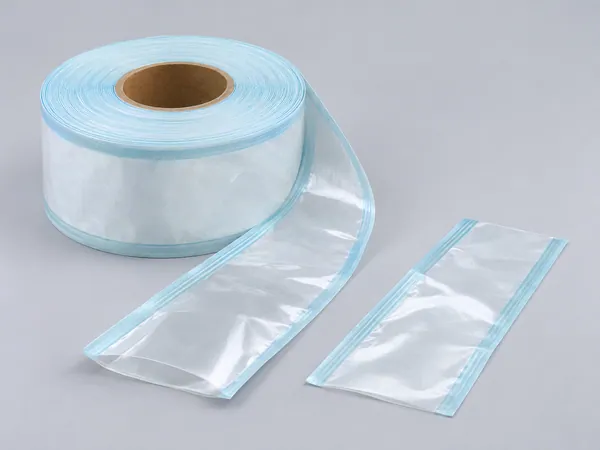 Sterilization reels and cut-to-length peel tubingPaired sealed edges run along peelable tubing on a reel.
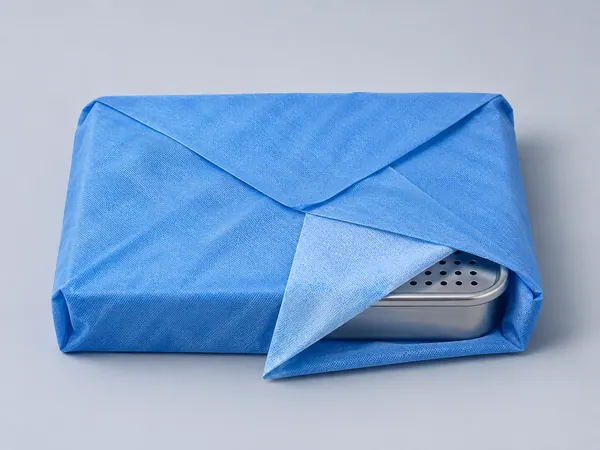 Sterilization wrap for instrument traysA folded wrap encloses the tray and its corners.
Pick up a bag of coffee. The folds at the bottom tell you how it stands. The zipper tells you how it closes. The valve tells you how gas escapes. A single pack can belong to more than one group below. Start with the feature your product needs.
Which pack would you put your product in?
- A loaf packed by hand or on a bakery line: bread bag sizing and print or bags presented on a wicket.
- A snack that needs to stand on a shelf: bottom-gusset stand-up pouches or flat-bottom pouches.
- A tray that needs a clear top: cling overwrap, film sealed to the rim or skin film drawn down over the food.
- A liquid sold by the serving: single portions, a pouch you can cap or a bag that pours through a tap.
Choose the material, print and size
Once you know the shape, work through the details that affect your order. Take an empty sample and a filled one to the conversation. The seams, folds and space left for closing are easier to see side by side.
- Bag Thickness and Gauge Guide
- Bakery Packaging Guide
- Custom Printed Bags for Food Products
- Custom Printed Bread Bags for Small Bakery Runs
- Custom Treat Bags With Your Logo: Get the Size and Print Right
- FDA Food Contact Packaging Basics
- How to Choose Food Packaging Bags
- Polyethylene vs Polypropylene Bags: Which One Fits Your Product
- Small Orders of Custom Printed Bags: What Will It Cost?
What counts as a flexible packaging format?
This reference covers commercial packs made from flexible film, foil, paper, fabric and combinations of those materials. It includes the flexible part of a hybrid pack, such as a tray lid or the bag in a box. A new color, brand name or resin can describe the same construction. Specialty articles identify the equipment or supplier needed to qualify the pack.
Industry references: Flexible Packaging Association · PACK EXPO flexible packaging categories · FIBCA bulk bag terminology.
Packaging terms in this guide
- Gusset · A gusset is a fold in the side or bottom of a bag that opens to give the contents more room.
- Seal layer · The seal layer is the surface of a film that bonds to another film or to a container rim when the pack closes.
- Fitment · A fitment is a separate part joined to a flexible pack so it can fill, pour, vent or connect to equipment.